

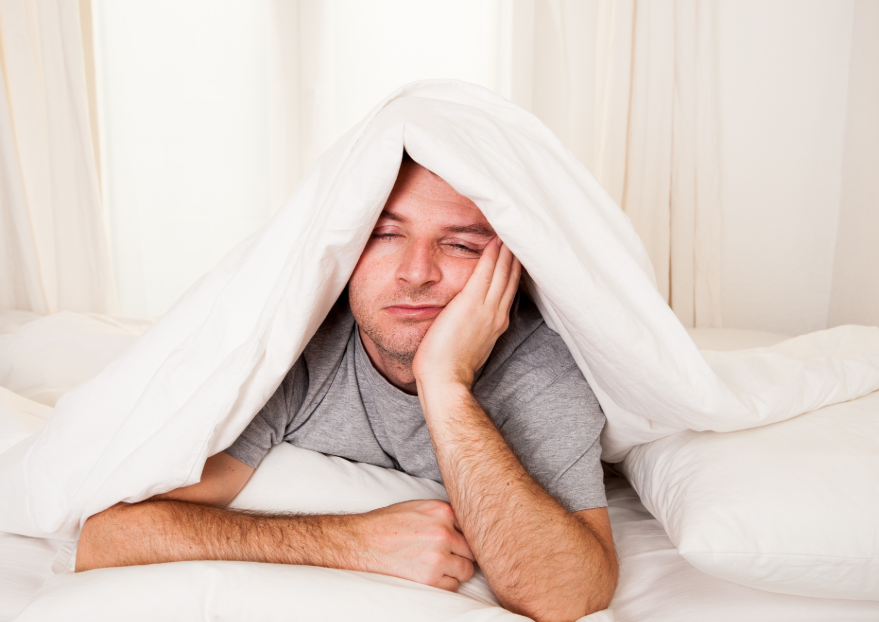
A good night’s sleep should leave you feeling refreshed, not exhausted before your day even begins. If you have obstructive sleep apnea (OSA), however, repeated breathing interruptions throughout the night can make restful sleep difficult. You might wonder whether the condition will eventually disappear or if you’ll need treatment for the rest of your life.
The answer depends on what’s causing your sleep apnea and how severe it is. Although symptoms can improve significantly, sleep apnea rarely goes away on its own in adults. Fortunately, several lifestyle changes and treatments can help you breathe more comfortably and sleep better.
Can Sleep Apnea Resolve on Its Own?
Obstructive sleep apnea occurs when the muscles and soft tissues in your throat relax during sleep, narrowing or blocking your airway. These obstructions can interrupt breathing repeatedly throughout the night, affecting sleep quality and oxygen levels.
In most adults, sleep apnea is a chronic condition that requires ongoing management. Symptoms may improve when contributing factors change, but that doesn’t necessarily mean the condition has disappeared. Even if snoring decreases or daytime fatigue improves, breathing interruptions may continue.
Untreated sleep apnea can increase the risk of serious health problems, including high blood pressure, heart disease, and stroke. That’s why it’s important to seek an evaluation rather than waiting for symptoms to disappear.
Lifestyle Changes That May Improve Sleep Apnea
Certain changes to your daily habits can help reduce sleep apnea symptoms, particularly when the condition is mild or specific factors contribute to airway obstruction.
- Maintain a healthy weight. For people carrying excess weight, weight management may reduce pressure around the upper airway and improve breathing during sleep. However, weight loss doesn’t eliminate sleep apnea for everyone.
- Change your sleeping position. Sleeping on your back can make airway obstruction worse. If your sleep apnea is position-dependent, sleeping on your side may help reduce breathing interruptions.
- Limit alcohol before bed. Alcohol relaxes the muscles in your throat, potentially worsening airway obstruction. Avoiding alcohol near bedtime may help.
- Avoid smoking. Smoking can contribute to inflammation and irritation in the upper airway. Quitting may improve airway health and overall well-being.
- Prioritize healthy sleep habits. Maintaining a consistent sleep schedule and getting sufficient rest can support better sleep quality, although these habits alone won’t necessarily resolve sleep apnea.
Treatments That Can Help Sleep Apnea
Lifestyle changes aren’t always enough, so your healthcare provider may recommend additional treatment based on your diagnosis and individual needs.
Continuous positive airway pressure (CPAP) therapy is a common treatment that uses gentle air pressure to keep your airway open while you sleep. Although it doesn’t usually cure sleep apnea, consistent use can reduce breathing interruptions and improve symptoms.
Custom oral appliances may also help certain patients, particularly those with mild to moderate OSA or those who cannot tolerate CPAP. These devices reposition the jaw or tongue to help keep the airway open. A qualified dentist can evaluate whether an oral appliance is appropriate for you.
In some cases, surgery or other specialized treatments may be considered to address anatomical obstructions or other contributing factors.
How Do You Know If Your Sleep Apnea Is Gone?
The only reliable way to determine whether sleep apnea has resolved is through appropriate follow-up evaluation, which may include another sleep study. If your symptoms improve after weight loss or treatment, consult your healthcare provider before stopping CPAP or changing your treatment plan.
With the right approach, you can take meaningful steps toward better sleep and improved health.
About the Practice
Fresno Family Dental is led by Dr. Byron L. Reintjes, who has been caring for patients in Fresno, California, since 1991. A graduate of Case Western Reserve University School of Dental Medicine, Dr. Reintjes has completed additional training in orthodontics and Invisalign, along with a hospital-based dental residency emphasizing trauma care. He also has specialized training in dental sleep medicine, helping patients explore solutions for sleep apnea and snoring. Dr. Reintjes and his team focus on personalized care to help patients improve their oral health and overall well-being
Call us at (559) 438-6684 or schedule your appointment online