

Comfort Question: Does Getting a Dental Crown Hurt?
August 14, 2026
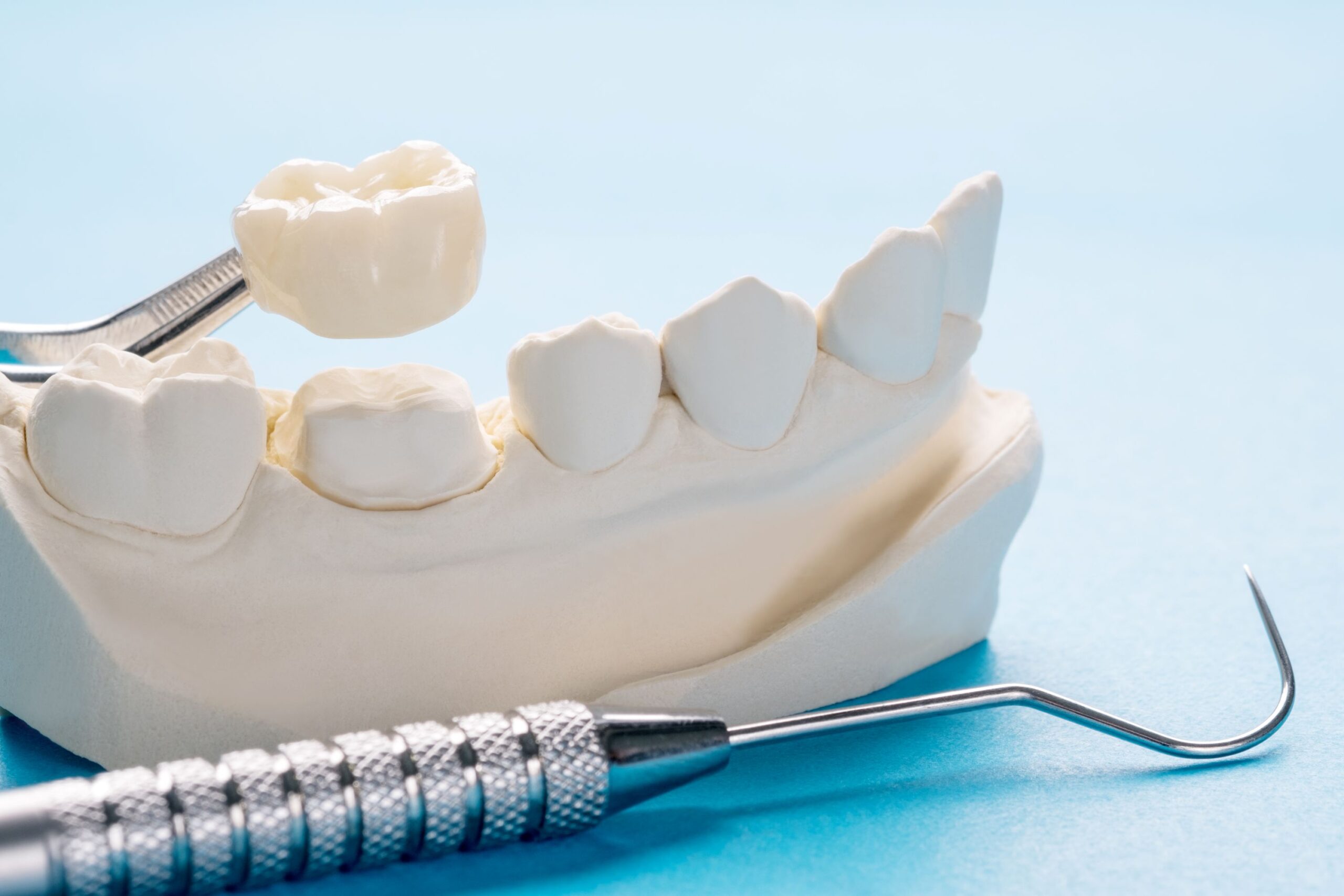
Do you have a chipped, cracked, decayed, or otherwise injured tooth, or have you recently had a root canal procedure? If so, your dentist will likely place a lifelike dental crown over it to prevent further damage while rebuilding its appearance and function so you can continue to eat, speak, and smile confidently.
It’s normal to have questions about this procedure, and many patients want to know whether getting one of these restorations will hurt. Continue reading to learn more about it so you know what to expect from the process!
What Are Dental Crowns?
Dental crowns are tooth-shaped caps that can be customized to match your natural enamel, then are cemented over broken or decayed teeth to protect and preserve them. Many dentists offer traditional crowns, which are created in a dental laboratory using impressions taken by your dentist, though some can also provide same-day prosthetics using E4D technology and an onsite milling machine.
Either way, these lifelike restorations aren’t intended to be removed once they’re cemented in place, and they can last 5 to 15+years with proper care.
Does It Hurt to Get a Dental Crown?
It’s worth noting that your dentist will likely have to remove a small amount of enamel from the affected tooth so your crown fits correctly without causing a misalignment. They will likely numb your mouth with a local anesthetic and/or offer sedation, such as nitrous oxide (laughing gas) or oral conscious medication taken as a prescribed pill, to help you feel calm and comfortable throughout your procedure.
It’s normal to feel a little sensitive once these medications wear off, and you might also feel tender after your crown is cemented in place as your mouth adjusts to its presence.
How Can I Minimize Dental Crown Discomfort?
You might develop soreness after crown placement if you react to the dental cement used to attach it to the underlying tooth, or simply from holding your mouth open for an extended period during your appointment. Your tooth might also feel “off”, as it has different dimensions after treatment.
But these sensations are considered normal and usually fade on their own after a few days. If you’re hurting, you can try placing an ice pack for about 15 minutes to induce a temporary numbing sensation, or take the recommended dosage of over-the-counter pain medication, such as ibuprofen or acetaminophen.
If you experience worsening or chronic discomfort lasting a week or longer, please contact your dentist so they can ensure your restoration fits and functions correctly!
Meet the Author
Dr. Byron Reintjes has nearly 30 years of experience helping individuals and families build and maintain happy, healthy smiles. He earned his dental doctorate at the Case Western Reserve University School of Dentistry, and today, he offers a comprehensive menu of services, including traditional and same-day dental crowns, to meet your unique needs conveniently under one roof. His compassionate approach is paired with advanced technology to deliver comfortable, long-lasting results. You can request an appointment on the website or call (559) 438-6684.
No Comments
No comments yet.
RSS feed for comments on this post.
Sorry, the comment form is closed at this time.